
Mar 17, 2017 | Children, Emotional Wellbeing, Food, Health, School, Sleep, Trauma, Uncategorized
Last week there was a documentary on British TV about children and sleep; a crisis hitting our younger generation.
I’m sure we all know the horrible feeling of not having had enough sleep – it happens to us all from time to time. However, the additional knock-on effects of so many children not getting enough sleep as a regular occurrence, are huge. The consequences are being faced by teachers, charities and the NHS. It is a problem on the increase – referrals to a sleep lab at Sheffield Children’s hospital have increased a staggering 10-fold in the last decade.
The program explored the impact of sleep deprivation. Even just 1 hour of missed sleep, affects alertness, brain function, concentration and problem solving. Some children in schools are functioning up to 2 years behind their peers because of the impact of sleep deprivation. Everyone knows poor sleep will impact emotional regulation and behaviour (whatever age you are), but not everyone knows that sleep deprivation can also lead to weight gain, obesity, and other health issues.
If you missed the 30 min program, I have posted the link at the bottom of this blog so you can watch it on iplayer (UK only I think).
Sleep is an issue I have talked with parents about over and over through the years.
It is becoming a more frequent topic with my adult clients too, so I watched the BBC Panorama program with interest to see what angle the media were going to portray (what comes out of my television is not always information I agree with especially when it comes to topics of children, health or well-being!)
 I was glad they highlighted the impact that screens are having in children’s (and adults brains); how screens stimulate brains and get them more alert. Children are more and more frequently handed a screen to ‘keep them quiet’ while adults get on with other jobs. Whilst the volume of noise coming from a child whilst they focus on a screen may be significantly less (!) their brain is being woken up and stimulated – the exact opposite of the ‘calming’ that parents think is happening. Children who are handed a phone or tablet screen for a bed-time story or allowed to watch some ‘calm down TV’ or videos are actually being handed the very tool that will be causing them to struggle going to sleep.
 Just as a brain is stimulated by the blue light in screens, so other chemicals going into the body can have the same impact. The big factor here are the chemicals known as ‘food and drink’. Children who are given foods with a high sugar content (from glucose or processed carbs) for their evening meal and drinks containing sugar and/or caffeine, are being handed stimulants that will spike their blood sugar and create a bedtime nightmare for everyone.
3 Essential Elements for Easier Sleep
1. At least 1 hour of screen-free time before expecting to go to sleep.
This includes phones, tablets, computers, TV, and anything else that emits ‘blue’ light.
Screens in their many variations are widely understood to be addictive. If you have created a bedtime-screen routine for you or your children, that is based in addiction then of course it will be ‘interesting’ to change the habit. It will be your decision whether to try the ‘cold turkey’ approach or a slower ween. Either way it will be totally worth it for the better sleep from having a brain that is ready to slow down and rest without the stimulation of the blue light.
2. From after school no sugar-fueled ‘food’ or drink.
Too much sugar in the blood triggers the production of too much cortisol…which again adds to the stimulation in the body. Cortisol is a stress hormone that sends a message to the brain that we need to get ready, stay alert because ‘we are not safe’. No one found it easy to go to sleep harbouring a feeling of not being safe. It is against our primeval survival coding.
3. Choose carefully what you focus on before sleep
It seems obvious to say, but arguments and tension, anxiety and fear never help as pre-sleep factors (and yet so many parents think that shouting and raising everyone’s stress levels until a child submits, is the best way to go). Quiet colouring, listening to a story CD, reading a ‘real’ book, writing, drawing or talking about any worries from the day as well as things to be grateful for from the day and things to look forward to tomorrow, are all ways to slow heart rate down, calm the brain and get the body ready for sleep.
For many children and adults, these 3 factors alone can make a huge difference to their ability to go to sleep at a reasonable time, and improve the quality of sleep that follows… and the level of functioning the following day.
Do you know a challenged sleeper?
Have you tried these?
I’d be interested to hear how you got on…
For children who still struggle, even when all these foundation factors are happening regularly – it can be time to explore sleep concerns level 2. These weren’t covered at all in the program, and I’ll be writing about them next…
If you want to see the program for yourself click below.


Mar 2, 2017 | Children, Emotional Wellbeing, Trauma, Uncategorized
You meet all sorts of people whilst out dog walking.

I met a man today who was wearing a jacket and shorts and trainers. I know it is now officially March – but I was wearing a T-shirt, hoodie, and fleece. I also had a woolly hat, jeans, thick socks and warm walking boots. The gauge in my car said 5 degrees. It snowed 2 days ago, and today I felt appropriately dressed. The way the wind was whipping across the open spaces, I was very glad I had my hat.

So back to the man in shorts.
First time we passed, we smiled.
Second time we passed I had to speak to him. He assured me he was absolutely fine in shorts. He never wears anything else – even in ‘-5’. He spent many of his working years (he is now retired) living abroad and wearing shorts. He doesn’t feel the cold…it’s all in your head. He doesn’t feel any pain either – that’s in your head too.
He went on to tell me about his recent triple heart by-pass, and how when he came round he didn’t have pain – didn’t need any pain killers. But because the nurses were so insistent that he should be in pain (and everyone else on the ward was making lots of fuss about the pain in their chests) he gave in and told them ‘if it will make you feel better you can give me some paracetamol’. They did. The tablets ended up under his bed… 😉
And it got me thinking. This highly eloquent gentleman, was very clear in his attitude towards pain : he doesn’t feel it and that was a source of pride. Whilst I do agree there is a huge amount of power in our minds that we can use to change how we relate to pain, I wondered if he knew the other explanation as to why people don’t feel pain in their bodies.
THE OTHER EXPLANATION
Dissociation is a powerful survival technique that we all have at our disposal. A way to manage our selves when we are in overwhelming situations that are causing us high levels of physical or emotional pain, whether they are life threatening or not.
‘Out-of-body-experiences‘ whilst being sexually abused are a common expression of dissociation during trauma at any age. Children learn to dissociate if they are living through any kind of abuse. They often dissociate if they a living with domestic violence or other frightening scenarios in their homes. They often find that the only way to cope is to separate their mind away from their body. They stop paying attention to what is happening in reality right now – and go somewhere else in their heads. And it is not a conscious choice. It is how our subconscious helps us survive. And it is not just children.
As a society, it was not that long ago that we inadvertently encouraged our children to learn to dissociate. Little boys, who were brought up with the ‘boys don’t cry’ message, learnt to deny and disconnect from pain because it wasn’t ok to have it – but it hurt. Those little boys are still living among us as dads and Granddads…
Children who cut themselves with scissors or fall over, are bleeding but don’t notice, may well be exhibiting an indicator that they have learnt not to be fully connected with their body and all its sensations. Those children who can’t seem to tell the difference between fact and fantasy may be needing their fantasy to be real because it is safer than their actual reality. Adults can do the same – or different.
Other indicators of dissociation I have seen in children and my adult clients (parents and professionals – all intelligent lovely people) include:-
- not having feeling in their hands / feet / or head
- being avid fiction readers
- phasing out when talking
- not hearing when I am talking to them
- not being able to notice when they are hungry / thirsty
- not noticing when they need the toilet
- ‘floating away into a nice place’ when doing yoga, meditating or even in the midst of a horrible situation
NB – this is not a diagnostic list of symptoms.
Just some of the particular elements of dissociation that people have incorporated into their lives and think are normal.
Dissociation is normal – it is normal and natural to become dissociated automatically when we are severely threatened.
It is not a normal state to be in daily.
Talking with my new friend made me curious. I would have loved to find out more about him and what he had been through in his life. If I see him again soon, one thing is certain, he’ll be easy to spot in his shorts.

Let’s Keep Talking
If you have any experiences of being dissociated yourself, noticing it in others, noticing it in children you are around I’d love to hear them. Similarly feel free to pop me any questions you may have about it in the comments below or here.

Feb 6, 2017 | Emotional Wellbeing, Health, Real Life Stories, Trauma, Uncategorized
Sometimes things don’t work out the way you planned…
As many of you will know, Hinton has been a big part of my life for the last 16 months (make that 20 if you want to include the 4 months of crazy excitement and preparation from decision day until he actually arrived!!)
The plan was; be a puppy socialiser, and learn everything I can about that experience, then when he goes on to the next stage of his training to be an assistance dog, enjoy perusing my options and consider whether I
- a) want to socialise another puppy
- b) want to get a pet dog
- c) have had enough of dogs through this chapter of life and am happy to move on to life’s next adventure dog free..
As I chose to take time to have a sabbatical from my clinical work, I knew I would need a stop-gap. Hinton was to be my sabbatical ‘project’. (Unbeknownst to me he was actually born on the first day of my sabbatical).
 He was a project.
And some!
I could write a book about everything I have learnt.
However, this post is not about any of that, it is to let you all know that that plan; my plan, isn’t happening.
Hinton is being withdrawn from the charity’s training program due to the challenges he has with his health. Now, if you are like every other person who I’ve told that to, your next thought will be
‘so are you going to keep him?‘
And there it is.
The question that was SO BIG to me it ground me to a halt for a few days. I’m not exaggerating. To you it may seem strange, but I was overcome by the enormity of the decision… a decision I had never planned on having to make…the life-changing impact of something I had to use my voice to choose what next…
Sometimes life happens to us.
Sometimes we need to use our voice to choose life.
I am grateful to have some people close to me who appreciated the bigness of my decision and gave me space and time to explore it from every angle. If we have experienced trauma of any kind in our past then it can be easy at times like this to take cover in our favourite survival pattern – run away, argue or hide and wait for it all to go away. Have you noticed what you do?
This decision needed to be made, and while I certainly had wisdom enough to put some self-care boundaries around it, to take the time I needed to make it, it had to be made. The decision wasn’t going anywhere. I had to get myself grounded, moving, thinking and processing and listening to my head, my heart, my spirit, my fears and my desires.
These are the things I asked myself to help come to my decision.
- What do I love in life ? What are my core passions, my values, the things that bring me life?
- Does this change support me in being more me or less me?
- Does this change mean I will grow forwards to new or go back to the old?
- Do I feel what I am letting go of, has grown me or shrunk me?
- Will the future I choose to move into grow me or shrink me?
- What about this scares me? (Acknowledging that there is fear or that something is hard, doesn’t mean you don’t do it – you just get more clarity about the root of the fear and power to overcome it).
- Do the positives outweigh the negatives? Or do the positives carry MORE WEIGHT than the negatives?
- Am I ready to be responsible for me and the development of my life?
- Am I ready to choose life?
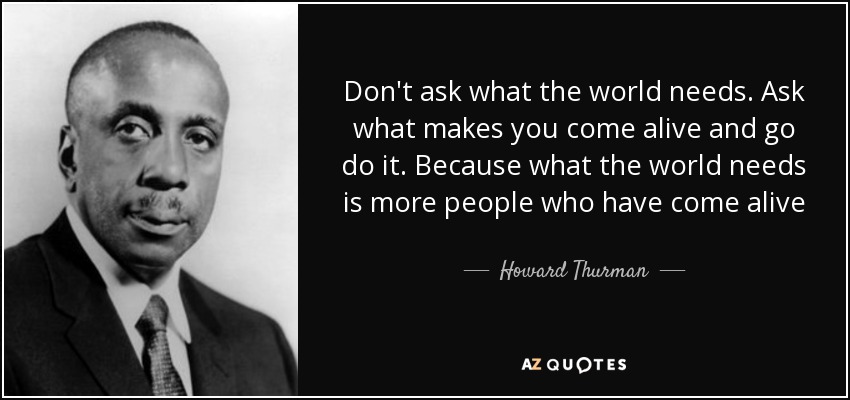
AND to you..
In case you too are at a fork in the road, be it work, a relationship, or whether or not to keep a dog, hear me, yes it is a big decision. I know whatever you are facing, it’s an important decision. It is important because you are important.
Join me, whether for you it is yes or no, find the courage to choose life 🙂
P.S. Hinton is staying. x

Dec 6, 2016 | Children, Emotional Wellbeing, Resources, School, Trauma
Hinton loves routine.

Post morning run – Kong bliss before sleep…
He really does.
He has always had a sensitive temperament.
Routine helps him know where he is, what is coming next, and he likes that.
We are at the stage now where he knows there is a period of time to wait (for digestion) between breakfast and going for his run – he will come to wherever I am and lie down patiently.
He knows once I start getting my boots on or getting his walking bag together the next thing is going out the door – so he goes to the front door and sits there waiting for me.
He knows when we are back what comes next – drink, chill and stuffed frozen kong on his bed, then sleep. As we follow this routine on the vast majority of days, he is a chilled, happy, peaceful pup. IF he is asked to do something different – he will do it, but it is not too long before his confusion can become worry. I know his face and body language and behaviour languages well. I know how it can unsettle him.
AND SO IT IS… with children.
For so many children, this time of year in school is a blast – off the ‘lesson timetable’ – no spelling tests – (extra) fun versions of numeracy and lots of trips to the hall for practices… and a chance to shine at singing or acting or…
For those who are more sensitive, those who maybe quieter, those who need routine to help them feel like the world (in school at least) is safe and predictable, this can be the complete opposite.
TIPS for making these days a bit easier for everyone
- Staff need to acknowledge this time of year is fun of some and hard for others.
Get it out in the open (without making children identify outwardly which they are – because if they find it hard and their friends love it, you have just made it EVEN harder).
“Some of us really like to know what is happening every day – and when we do the same things every day we always know what is coming next. The next few days in school might be a bit tricky because things are not the usual routine we have done so far this term… but there are many things that ARE Going to stay the same.”
- Have a daily class meeting – with visual timetable so everyone knows what is coming up. For those really anxious children, going through this at the end of the day before will help, so they know what they are coming too in school the next day. NB Don’t say anything you can’t promise to happen…
- Remind everyone that they can come and tell you or other support staff if they are worried or would like to know about anything. (Don’t assume they will just do this – often they won’t).
- Watch for the worry, confusion, anxiety behaviours. Do you know what these are? How well can you spot them? How well do you know those children?
- Point out all the things that are staying the same in the day: (break time, lunch time, intervention groups, dinner ladies etc)
- Consider that any behaviour that emerges through these weeks, could be an expression of anxiety about less school routine OR worry about Christmas and the long holiday gap away from school support. Let’s find out if holiday worry is a factor in behaviour before we decide how much telling off this child needs?
- Have SLT in school and support staff and pastoral staff off their group timetables as much as possible to be available to pick up and support those children who need closer contact during these days.
- Having simple, practical jobs to do with, or without adult support can help to focus a worried brain and provide a small sense of control and achievement at a time when inside they might feel like drowning in emotions.
- Be aware that many children will have been told that their behaviour at school will be seen by Santa (or the Elf) and affect whether they get any presents. (This is not made up – just last week I spoke to a whole bunch of 6 year olds who are living this.)


Nov 2, 2016 | Children, Emotional Wellbeing, Play Therapy, Resources, School, Sleep, Trauma, Uncategorized
I’m pretty sure it is not just me getting older, but I have been really struck over recent years by the amount of ‘Halloween’ in the shops and on the telly.

I’m not just talking about pumpkins and broomsticks. It seems that a more prolific and much darker element to costumes and decorations has swept through even the tamest of shops. TV programs on at prime time family viewing have had some really effective, but scary looking make up.
This year has been a long run up (I saw my first Halloween thing in a shop in August!!) to an event so many people have mixed views on…but love it or hate it, nobody, big or small, living an everyday life has been able to escape from it.
But now it is November. The parties and trick or treating are finished. It is over, and we can all start to focus on fireworks and Advent calendars… right? (Whilst possibly still munching through the masses of carving-leftover, pumpkin-based food items still in fridges/freezers).
One of the things that I have seen over and over again through my many years as a children’s therapist, is that what goes in the ‘eye gate’ stays in, until it can get properly processed.
We all understand that children shouldn’t be watching 18 horror films.
We know that certain images are not appropriate for little eyes.
But we seem to forget that what we as adults find OK, can be terrifying for children…and I’m not just talking about X-rated, or seriously scary stuff.
This is why it was so important to speak out about the impact the graphic
HEADBOMZ campaign was having on some kids.
…are just some of the TV programs children I have worked with, have watched and been bothered by. Then there are the films or computer games, and images on social media – all affecting children enough that they need to reprocess what they have seen in
play therapy sessions.
[Incidentally these are things that
no adult has EVER mentioned in referral meetings as something the child is struggling with].
I know that for many children the chance to dress up and pretend to be something scary is just lots of fun.
However, just in case you are around a child who has been bothered by what they saw in relation to Halloween, or any other time of year, the tips below might help.
How to help a child stop being bothered by something fictional they have seen.
Understand:
Be aware that if they have been affected by something on TV, Youtube, online else where or something in a shop that has been referred to by an adult or another child as ‘just make up‘ or ‘just a costume’ or ‘just an advert‘, admitting it has scared them will be 100 times harder.
Understand:
If you tease a child for being scared, if you tell them they are being silly and there is nothing to be scared of or in any other way let them know you don’t think they should be scared, then it is likely they will not feel understood by you. It is fine for you to be clear you are not scared, but if you make them wrong for being scared when they ARE feeling scared and now they are SCARED AND WRONG, and therefore it is not safe to open up to you.
Understand:
Fears that are not expressed outwardly, get trapped and distorted, and for children, often end up becoming
nightmares. It is quite possible that children who are becoming more reluctant to head to bed in these next few days and weeks may be suffering from bad dreams because of something they have seen in the last few days weeks.
Acknowledge:
Everyone gets scarred by different things. That is a fact. There isn’t one person who is never, never scared.
Hiding the things we find scary makes them bigger inside us and makes it feel like they have more power.
Consider:
We can get them out in the open. Drawing or talking about or making them in play doh, junk-modelling boxes etc with people we feel safe with, is like putting the light on and they often shrink down to size. It also gives us chance to think about -or make up- their possible weaknesses (for the Wicked Witch in the Wizard of Oz it was water).

Explain:
Talk about the fact that however old we are, sometimes when we have seen something not nice on TV it can end up in our head when we are awake or in our dreams.
Create:
Ask the child to think about something that would be more powerful than the scary monster, witch, zombie etc. It can be a made-up something of course. Get them to describe in detail what makes that new power so powerful. If possible, if they feel safe with you, get them to draw it, make it (with your help?), talk and talk about it.
Create:
Then offer them the chance to create a story where the scary thing meets the good powerful thing..and let them decide how the good powerful thing will deal with the scary thing. (For many this will involve some method of killing it.)
Reflect:
Simply wonder out loud in a curious, but not interrogatory way, “I wonder how it feels to know that the …..(good powerful thing) was more powerful than the scary thing?” and then really listen to what the child says.
Let me know how it goes. I’d love to hear in the comments below or send me a
private message.
Let’s vanquish the monsters and let creative light shine to over power darkness.

Sep 27, 2016 | Children, Emotional Wellbeing, School, Trauma, Uncategorized
So many times I have heard it said to me ‘we are doing ok, we have a learning mentor’ or ‘we have a nurture room‘ or ‘we have a child and family support worker’.
 Even if it is not said specifically in those words, I have had more conversations than I want to count where the implied message is ‘we are doing ok for our children’s emotional needs, because we have a person in school who deals with all that’.
In other words; we have that box ticked.
Now please don’t get me wrong. I am all for a school having as many people as possible available to support children. I am also FULLY committed to the fact that some children need specialist therapeutic support (from additional trained and qualified therapists). What worries me is the attitude: the MINDSET that ‘we have someone who deals with ‘that‘ ‘.
I have been working closely with 1 particular school for a while now and here’s the thing.
They don’t have a learning mentor.
They don’t have a nurture room, they don’t have a rainbow room or any other kind of special room.
They don’t even have as many TAs as the vast majority of other schools I’ve visited,
and yet I believe, their children are safer emotionally now than they ever have been. How come?
Precisely BECAUSE they don’t have any of those other things!
Through the vision and determination of insightful leadership, all the staff in that school have been trained; the teachers, the dinner staff, the TAs, the SLT (caretaker and office staff are on the journey too). It is not an easy catchment. ALL the staff now understand more about where their children are coming from; what trauma does to children and how best they can help rather than hinder. The entire SLT has up-skilled themselves with better communication skills (others to follow) and everyone is on a journey of becoming more effective professionals.

This is a school where ALL the staff are part of dealing with ‘that’. The whole school culture has changed and no-one is in the position of just not liking a child’s behaviour and being able to abdicate by simply handing them over to the ‘assigned emotional person’ to deal with.
Instead they are all now taking responsibility for and wanting to understand that behaviour. Everyone has learned, everyone is growing and everyone understands ALL the adults are part of the team that creates a school environment where children feel safe, understood and supported.
I know they long for a bigger team to support the children and families… And when that day comes, those additional roles will be able to slot into working with a staff team who already know:-
- there is always more to behaviour than ‘just being naughty’,
- they often affect a child’s behaviour,
- trauma changes a child in ways they cannot control,
- and one size does not fit all.
.

 I was glad they highlighted the impact that screens are having in children’s (and adults brains); how screens stimulate brains and get them more alert. Children are more and more frequently handed a screen to ‘keep them quiet’ while adults get on with other jobs. Whilst the volume of noise coming from a child whilst they focus on a screen may be significantly less (!) their brain is being woken up and stimulated – the exact opposite of the ‘calming’ that parents think is happening. Children who are handed a phone or tablet screen for a bed-time story or allowed to watch some ‘calm down TV’ or videos are actually being handed the very tool that will be causing them to struggle going to sleep.
 Just as a brain is stimulated by the blue light in screens, so other chemicals going into the body can have the same impact. The big factor here are the chemicals known as ‘food and drink’. Children who are given foods with a high sugar content (from glucose or processed carbs) for their evening meal and drinks containing sugar and/or caffeine, are being handed stimulants that will spike their blood sugar and create a bedtime nightmare for everyone.


